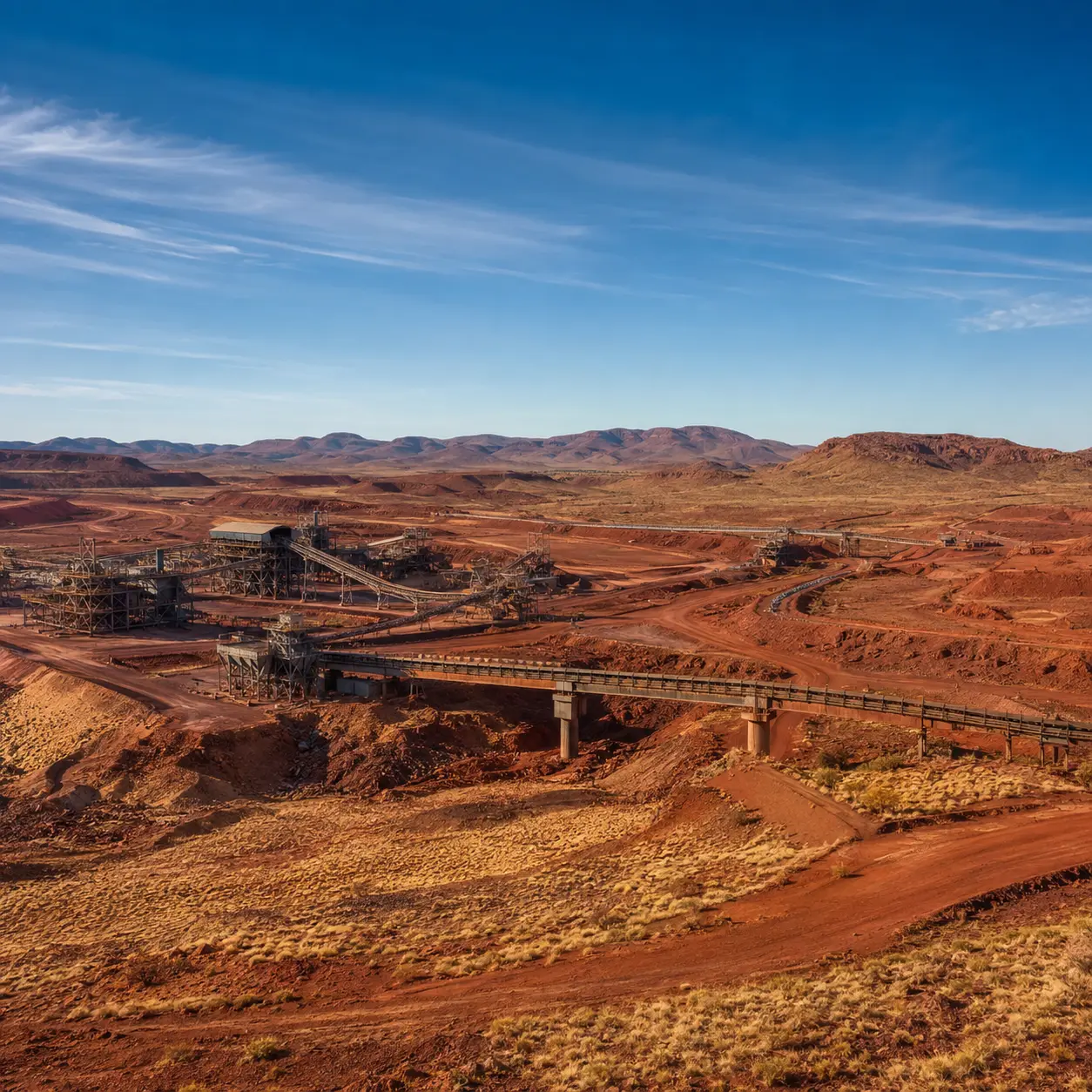
Open pit & mobile fleet
Haul trucks, excavators, drills, dozers, graders, light vehicles, workshops, charging and fleet-support systems.


Electrical pathway
“Mine-site electrician” can mean fixed plant, mobile equipment, instrumentation, high voltage, controls, projects, underground work or site services. The useful question is: which systems can you work on, and what evidence proves it?
The core idea
Australian mines are connected operating systems. Electrical workers may support extraction, processing, materials handling, power generation and distribution, rail, port, water, accommodation or control technology. Two people with the same base licence can build very different careers because their assets, work patterns and accountability differ.
A licence establishes legal authority. Mining employability comes from relevant, verifiable capability on top of it.
Where the work sits
The boundaries overlap. A single operation may use separate crews, a multi-skilled team or specialist contractors.
Haul trucks, excavators, drills, dozers, graders, light vehicles, workshops, charging and fleet-support systems.
Crushers, screens, conveyors, pumps, mills, flotation or separation circuits, MCCs, motors and field equipment.
Train load-out, car dumpers, stackers, reclaimers, shiploaders, wharf systems and long conveyor networks.
Generation, substations, transformers, switchrooms, protection, reticulation and high-voltage networks.
Decline and shaft infrastructure, pumps, ventilation, dewatering, communications, mobile plant and underground distribution.
Camps, workshops, offices, water systems, airports, lighting, buildings and utilities that support the operation.
Role guide
Role titles are not nationally standardised. Read the actual scope, licence, qualification, appointment and site requirements behind the title.
Processing plants, crushers, conveyors, stockyards and ports
Indicative 2026 Australian mining band$125k–$175kAUD annual gross, generally before superDefined outage work fronts on fixed plant and infrastructure
Indicative 2026 Australian mining band$140k–$200kAnnualised from project and shutdown marketNew plant, expansions, brownfield modifications and sustaining capital projects
Indicative 2026 Australian mining band$120k–$170kAUD annual gross, generally before superNew, modified or overhauled plant moving toward operational service
Indicative 2026 Australian mining band$145k–$210kAUD annual gross, generally before superProcess plants, utilities, dewatering, laboratories and control systems
Indicative 2026 Australian mining band$135k–$190kAUD annual gross, generally before superProcessing, materials handling, autonomous systems and remote operations
Indicative 2026 Australian mining band$140k–$200kAUD annual gross, generally before superMine power stations, substations, switchrooms and distribution networks
Indicative 2026 Australian mining band$145k–$205kAUD annual gross, generally before superOpen pits, underground fleets, workshops and field service
Indicative 2026 Australian mining band$135k–$190kAUD annual gross, generally before superUnderground metalliferous or coal operations
Indicative 2026 Australian mining band$150k–$210kAUD annual gross, generally before superCamps, workshops, offices, airports, water plants and site services
Indicative 2026 Australian mining band$115k–$160kAUD annual gross, generally before superMotor, component, switchgear and conveyor maintenance workshops
Indicative 2026 Australian mining band$100k–$145kAUD annual gross, generally before superHeavy-haul rail, ports, level crossings and operational communications
Indicative 2026 Australian mining band$115k–$165kAUD annual gross, generally before superTypes of work
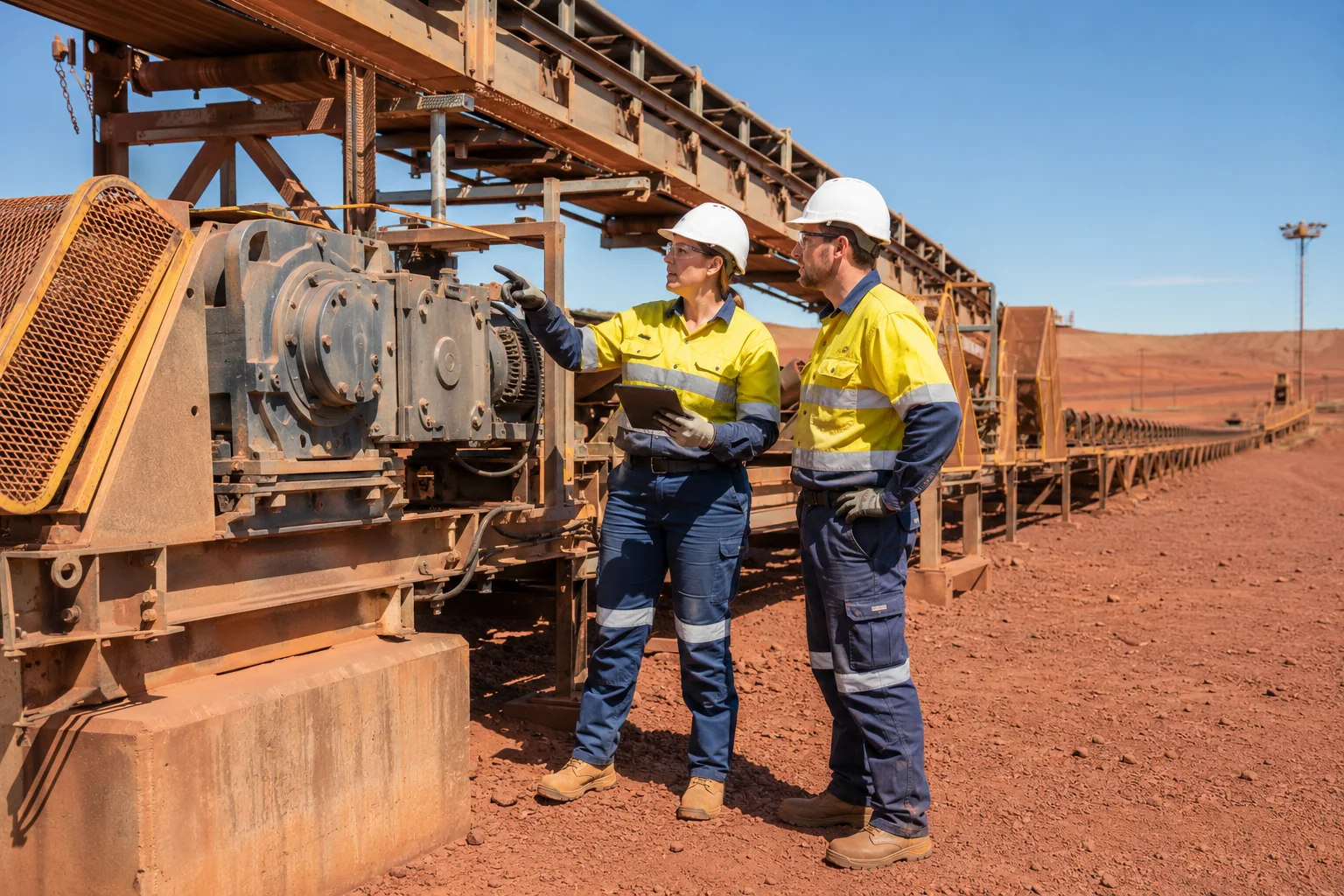
A continuing crew balances scheduled work, inspections, breakdowns, defect follow-up and accurate equipment history.
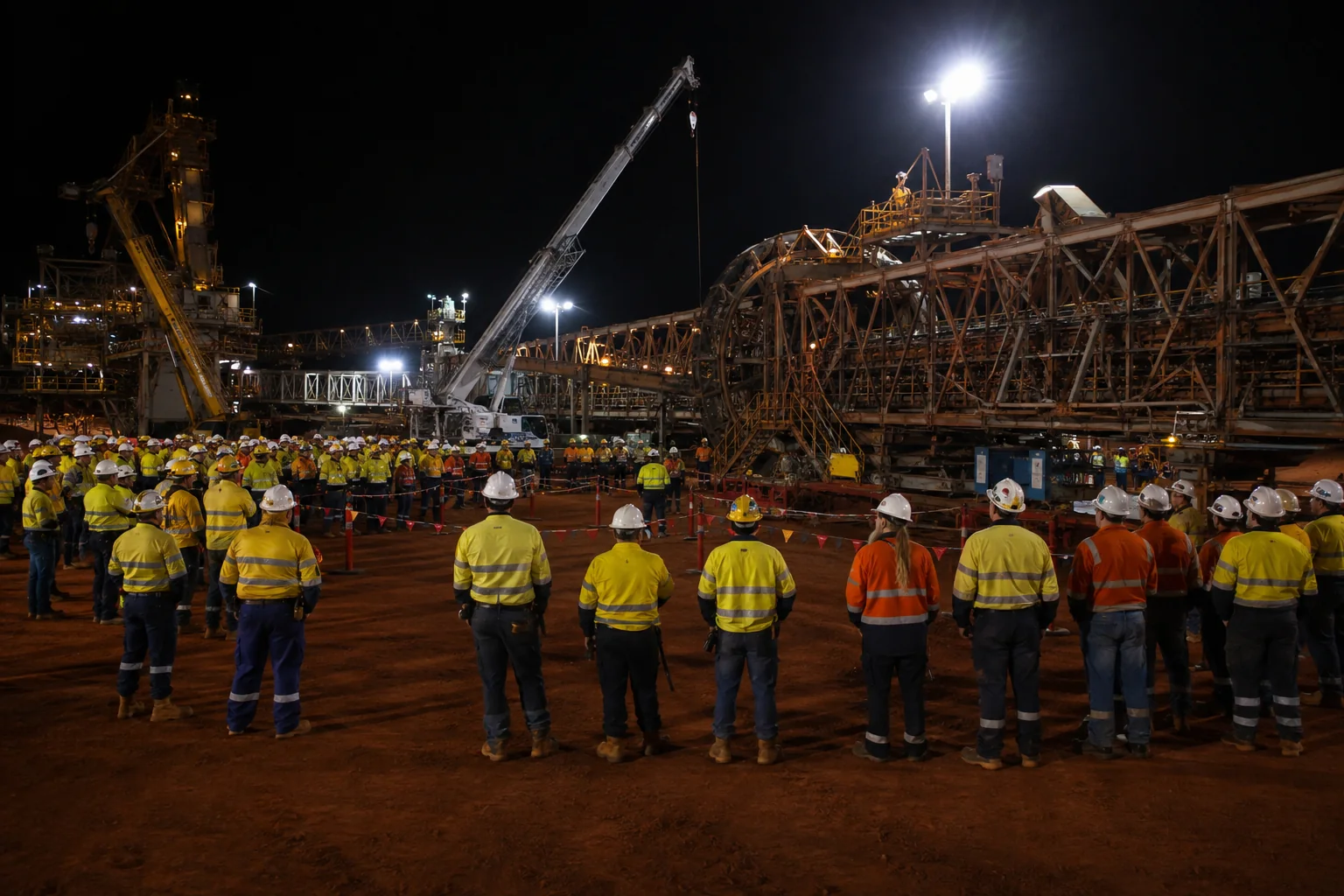
A larger temporary workforce completes a concentrated scope while plant access is available and the handback clock is visible.
Construction teams install to drawings and specifications, manage quality records and hand completed systems toward commissioning.
The focus shifts from installation to verification, functional performance, defects, controlled energisation and operational acceptance.
Technical specialists use condition, failure and work-history data to improve maintenance decisions rather than simply repeat tasks.
Images are original conceptual editorial visuals created for The FIFO Hub. They do not depict a named mine, employer or site procedure.
Qualifications and authority
Requirements vary by state, territory, mine type, employer and task. Verify the current regulator and written role requirements before paying for training.
UEE30820 is the current national Certificate III in Electrotechnology Electrician. It provides the training foundation; the relevant state or territory regulator issues the electrical work licence.
UEE40420 is a current Certificate IV in Electrical – Instrumentation for electricians. Employers may use other instrumentation pathways depending on the work and jurisdiction.
AUR30320 is the current Certificate III in Automotive Electrical Technology. It supports vehicle electrical diagnosis and repair; it is not an unrestricted electrical worker licence.
HV operation, statutory supervision, control-system access and other high-consequence functions require the current site and jurisdictional authorisation or appointment—not just a course card.
Electrical licensing is administered by state and territory regulators. Mutual-recognition pathways may apply, but a current home-state licence should not be treated as automatic authority to perform every type of electrical work at an interstate mine.
Career map
This is a representative pathway. Workers can specialise, remain expert tradespeople, move sideways or combine field and technical experience.
Electrician, auto electrician, electrical fitter or technician completing authorised field or workshop work.
Stronger asset knowledge, diagnosis, documentation and work-system discipline in a relevant mining environment.
E&I, controls, HV and protection, hazardous areas, rail signalling, mobile equipment or another defensible technical stream.
Leading hand, planner, scheduler, commissioning coordinator or technical advisor with broader interfaces and accountability.
Electrical supervisor, statutory appointment where applicable, reliability leader, superintendent or engineering pathway.
Depth comes from verified diagnosis, specialist systems, disciplined change control and the ability to explain consequences across the plant.
Progression adds people, planning, quality, production interfaces, documentation and legal or organisational accountability.
Further study can support design, engineering, technical governance and project roles. It does not retrospectively enlarge work completed outside prior authority.
Beyond trade delivery
These roles add planning, assurance, people or engineering accountability. They are not automatic rewards for time served.
Coordinates a crew close to the work front: task allocation, scope clarity, constraints, quality checks, apprentice supervision and communication with the supervisor.
Plans and oversees electrical work, labour, safety, quality, schedule and interfaces. The company title does not by itself establish a statutory appointment.
A Schedule 26 appointment with defined eligibility and functions. WorkSafe WA currently requires an unrestricted licence or eligible engineering qualification, approved WHS risk training and at least two years of mining or heavy-industry electrical work.
Builds executable work from defects and strategy: scope, labour, duration, parts, access, documentation, dependencies and feedback into the work-management system.
Uses condition, defect and failure history to improve maintenance tactics, eliminate repeat problems and support defensible asset decisions.
Supports design, technical assurance, studies, protection, power systems, projects and changes within professional competence and organisational governance.
Carries broader accountability for people, performance, risk, budget, maintenance strategy, contractor interfaces and delivery across multiple crews or assets.
Develops or verifies workforce capability, practical development pathways, evidence, compliance records and consistent technical expectations.
WA distinction: A company may use “electrical supervisor” as a job title, while the WHS (Mines) Regulations use “electrical supervisor” for a statutory position. Where a role includes the statutory function, eligibility and written appointment must be confirmed; the title alone is not enough. Follow the full S26 electrical and statutory-supervisor pathway →
The evidence test
Employers need to see more than a licence and a list of inductions. Show where you worked, which systems you understood, what you personally did and who can confirm it.
“Performed electrical maintenance on mining equipment.”
More useful“On a rostered fixed-plant crew, diagnosed an assigned conveyor-drive control fault, completed the authorised repair and testing, recorded follow-up defects in the work order and handed the asset status to the shift supervisor.”
Important boundaries
No. Switching and HV access depend on the jurisdiction, mine, equipment, approved training, appointment and site authorisation.
Be exact about whether you observed, electrically fault-found interfaces, accessed software, changed logic, tested changes or worked under another person's direction.
An induction can help mobilisation. It does not replace current licensing, trade competence, role evidence, medical requirements or a vacancy.
Industrial construction can be valuable. Maintenance roles also expect fault history, inspection judgement, breakdown response, close-out and recurring-asset knowledge.
Official sources
Source-checked 27 August 2026. Requirements and qualifications can change.
How electrical licensing and mutual recognition operate between Australian jurisdictions and New Zealand.
Current Certificate III in Electrotechnology Electrician qualification and competency scope.
Current post-trade Certificate IV in Electrical – Instrumentation.
Current Certificate III in Automotive Electrical Technology.
National occupation overview covering industrial electrical work in settings including mine sites and processing plants.
National occupation overview for vehicle electrical and electronic systems.
Current Western Australian electrical licensing and recognition information.
Current WA criteria for electrical supervisors and high-voltage operators at mines.
Regulator requirements for approved high-voltage switching operations training in WA mining.
Independent career guidance: The FIFO Hub is not an electrical regulator, mine operator or registered training organisation. Confirm licensing, qualification, appointment, induction and task requirements with the relevant authority and employer.