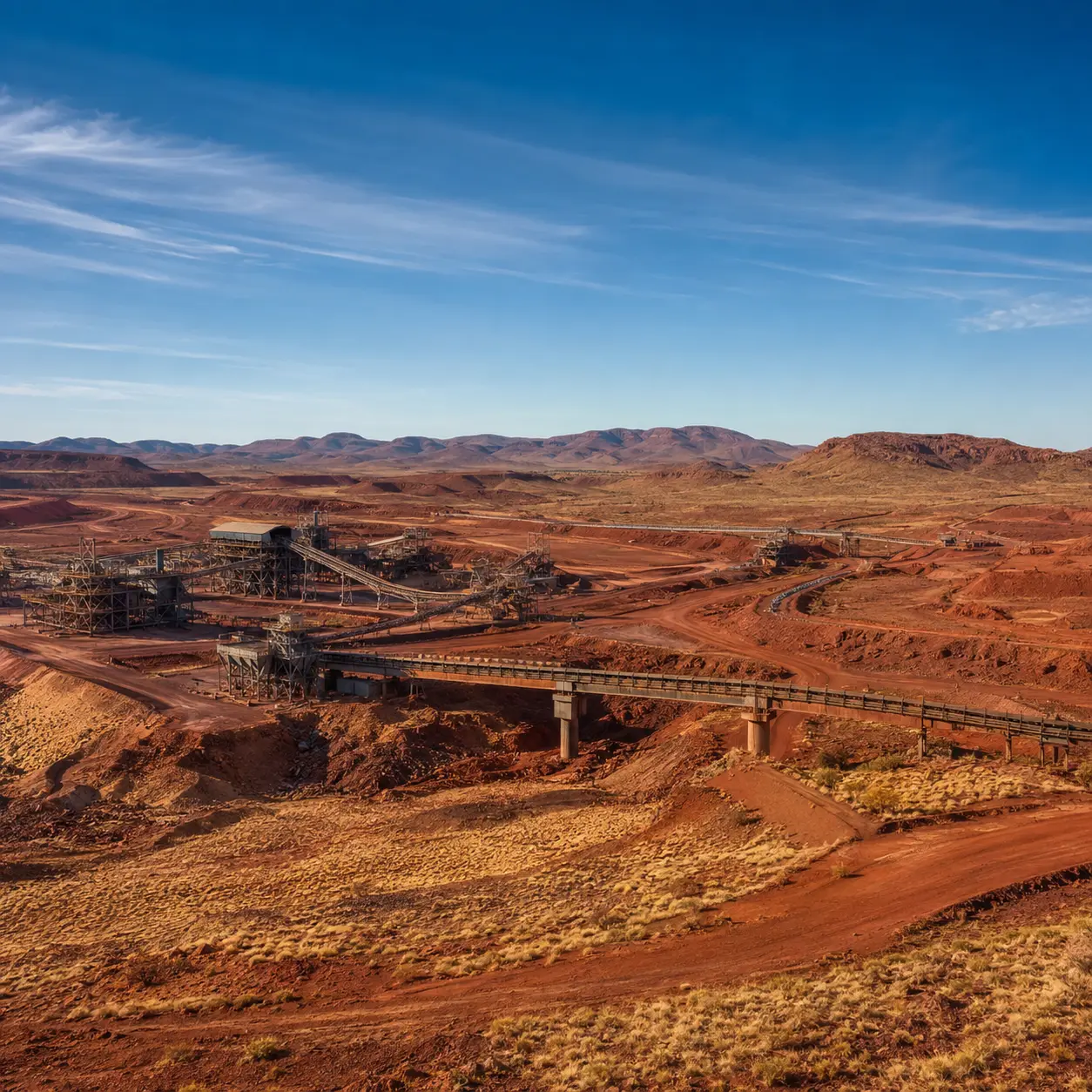
Fixed-plant conveyors in the Pilbara iron ore industry

FIFO careers

FIFO careers.
Build proof for your next move.

A practical career map for tradespeople, operators, supervisors and support professionals working toward stronger Australian FIFO opportunities.

Start where you are

Your next useful step depends on your current evidence.

FIFO is a work arrangement, not a single occupation. Choose the path that matches the capability you can already demonstrate.

New role library

Go deeper than a job title.

Use 20 detailed profiles to compare duties, equipment, qualifications, roster context, salary bands, entry pathways and progression.

Browse role profiles

The progression system

Capability compounds when you record it properly.

  1. 01ExperienceComplete real work in a relevant environment
  2. 02EvidenceRecord the asset, task, responsibility and outcome
  3. 03TrustBuild referees and a reliable performance history
  4. 04ScopeTake on broader or more complex responsibility
  5. 05OpportunityCompete credibly for the next role

Progression is not automatic. Site requirements, vacancies, performance, competence and business conditions all matter.

Career pathways

Six role families across the mining system.

Each family contains different entry requirements, licences and work environments. The examples below are a navigation aid, not an exhaustive occupation list.

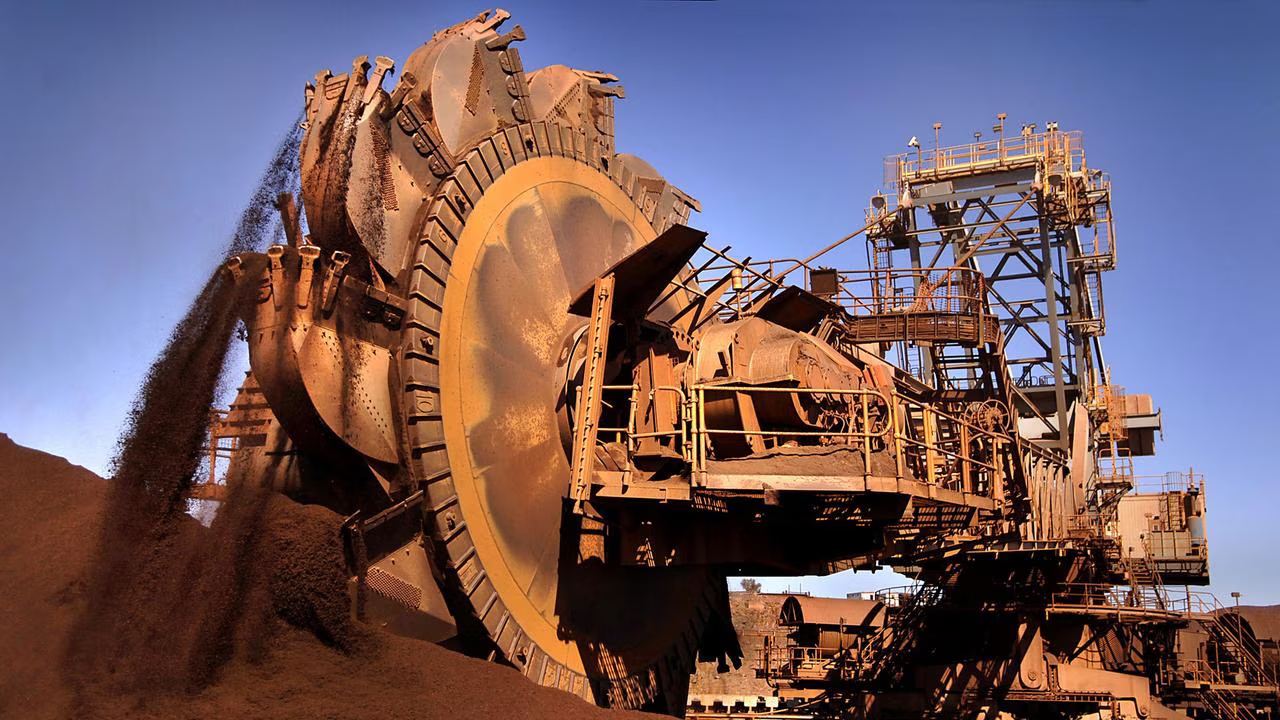
Large bucket wheel reclaimer representing electrical and instrumentation work on fixed plant
01

Electrical

Electricians · HV electricians · E&I technicians · Auto electricians
Where it fits
Fixed plant, mobile plant, rail, non-process infrastructure, construction and commissioning.
Evidence that matters
Licence status, industrial fault-finding, isolation discipline, MCCs, motors, VSDs, PLC interfaces and honest scope ownership.
Explore the full electrical pathway →
Bucket wheel reclaimer representing mechanical fixed-plant maintenance
02

Mechanical

Mechanical fitters · Diesel fitters · Lubrication technicians · Condition-monitoring technicians
Where it fits
Crushers, conveyors, pumps, gearboxes, mobile equipment, workshops and shutdown work fronts.
Evidence that matters
Assets worked on, component changes, alignment, inspection findings, planned-maintenance close-out and diagnostic judgement.
Explore the full mechanical pathway →
Pilbara fixed-plant conveyors representing fabrication, access and lifting work
03

Fabrication and lifting

SMP crews · Boilermakers · Welders · Riggers · Scaffolders · Crane crews
Where it fits
Structural, Mechanical and Piping packages; repairs; access; heavy lifts; shutdowns and projects.
Evidence that matters
Applicable trade and high-risk work licences, weld processes, lift exposure, drawings, quality records and task-specific competence.
Explore fabrication, lifting and SMP →
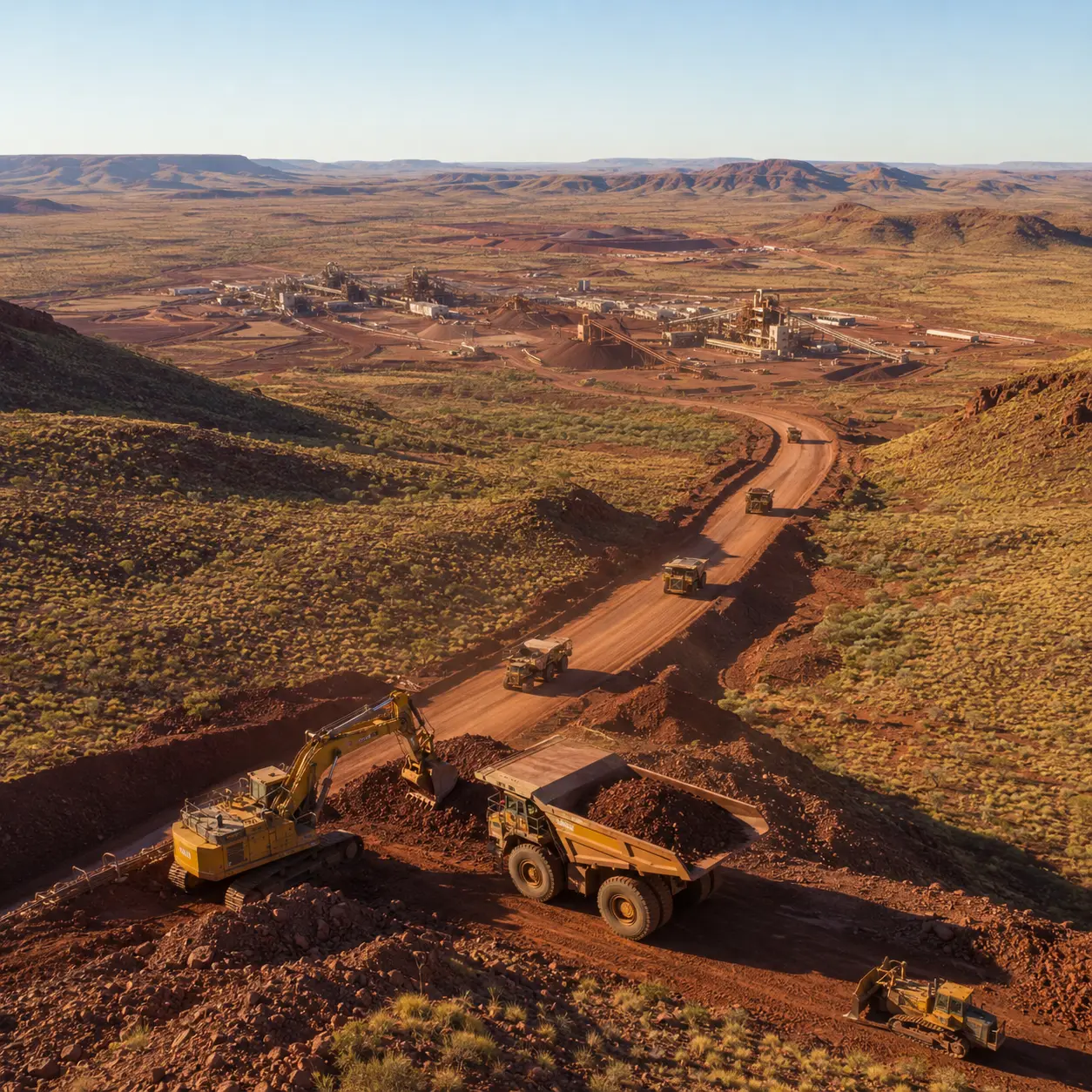
Pilbara open-cut mine representing mobile plant and production operations
04

Operations

Plant operators · Mobile plant operators · Process technicians · Control-room operators
Where it fits
Open pits, crushing and screening plants, train load-out, stockyards, rail and ports.
Evidence that matters
Plant or machine exposure, operating discipline, inspections, handovers, production awareness and response to abnormal conditions.
Explore the full operations pathway →
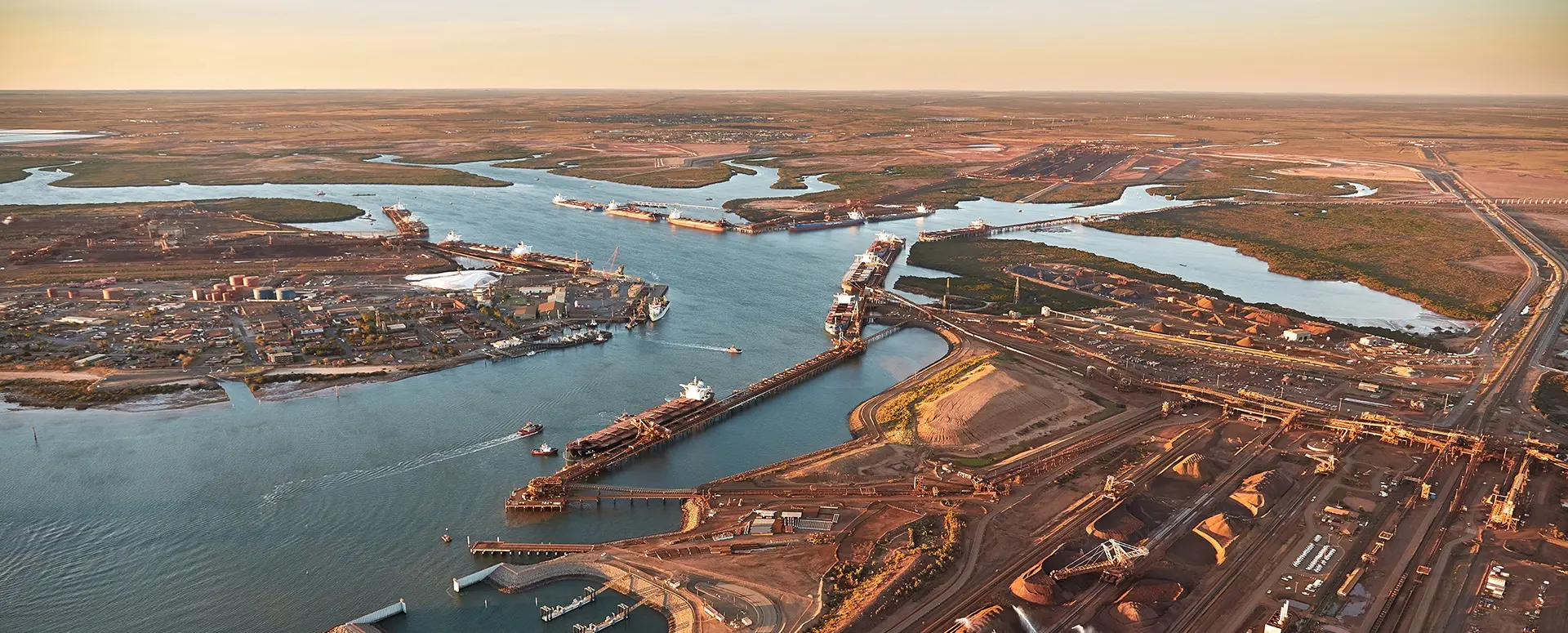
Port Hedland materials-handling network representing planning and operational coordination
05

Planning and leadership

Leading hands · Supervisors · Maintenance planners · Schedulers · Coordinators
Where it fits
Operational crews, shutdowns, maintenance teams, projects and work-management functions.
Evidence that matters
Scope clarity, labour and sequencing decisions, quality controls, handovers, close-out and crew capability—not title alone.
Explore planning and leadership →
Pilbara mine at dusk representing the wider technical and support workforce
06

Technical and business support

Engineers · Surveyors · Geologists · HSE · Supply · HR · Recruitment · Camp and logistics teams
Where it fits
Site operations, technical services, projects, remote support centres and corporate functions.
Evidence that matters
Relevant professional capability plus clear examples of decisions, stakeholders, systems and measurable work outcomes.
Explore technical and support careers →

Images: representative editorial visuals from The FIFO Hub media library; not claimed as photographs of a particular employer, role or worksite.

2026 Salary Hub

Search the role. Model the roster. Compare the offer.

Explore 90 mining and resources bands, hourly and shutdown rates, regional benchmarks, a transparent roster calculator and the free subscriber Field Guide.

Open the Salary Hub

The recruiter's evidence test

A ticket says you may be eligible. Evidence shows how you work.

Licences and role-relevant tickets matter where they are legally or operationally required. But shortlisting often turns on whether the employer can understand your actual scope, asset exposure and accountability.

Be precise about what you owned, what you assisted with and what someone else signed off.
EvidenceWhat to showUseful detailAvoid
AssetName the plant or equipmentConveyor CV104, bucket wheel reclaimer, cone crusher or haul-truck fleetA long list with no context
TaskExplain what you personally didDiagnosed, replaced, aligned, tested, inspected, repaired or signed offSaying only that you ‘worked on’ it
ResponsibilitySeparate ownership from assistanceLed the task, completed part of the scope, or worked under supervisionTaking credit for the whole crew’s work
Work systemShow industrial disciplineIsolation, permit, JHA/JSA, drawings, quality record, handover and close-outRelying on safety slogans
OutcomeState the useful resultReturned to service, defect escalated, repeat failure reduced or scope handed over clearlyInvented percentages or unsupported claims
RefereeChoose someone who saw the workA supervisor who can verify conduct, capability and reliabilityA famous name who barely knows you

Shutdown or rostered maintenance?

Two useful routes. Different trade-offs.

Open the full comparison
Campaign-based

Shutdown work

Time-critical inspection, repair and replacement work completed while plant is unavailable.

Can build
Site exposure, fixed-plant familiarity, induction history, crew contacts and referees across repeated campaigns.
Watch for
Irregular continuity, shorter windows to prove yourself and the temptation to overstate limited task exposure.
Strong evidence
Exact asset, work front, personal task, isolation and permit context, quality records, handover and supervisor.
Ongoing

Rostered maintenance

Planned, preventive, corrective and breakdown work completed across the continuing operating cycle.

Can build
Deeper asset history, work-management discipline, diagnostic judgement and understanding of recurring equipment condition.
Watch for
More competitive entry, broader accountability and the need to show maintenance thinking rather than construction exposure alone.
Strong evidence
Fault history, inspection findings, planned-work close-out, defect escalation, reliability thinking and clear shift handovers.

Practical route: Shutdown contracting can be a credible entry or evidence-building pathway while you continue applying for rostered roles. It is not a guaranteed conversion into permanent employment. Compare the work, income pattern, lifestyle and evidence in detail →

Electrical shutdown role guide

Three roles. One outage window. Increasing accountability.

Shutdown electrical work compresses inspection, maintenance, repair, testing and handover into a defined plant outage. Scope can span conveyors, stackers, reclaimers, shiploaders, motors, switchgear, control systems and non-process infrastructure.

Check tickets and licences
Close view of large materials-handling equipment representing an electrical shutdown work front
Representative editorial image. Requirements depend on the asset, work front and appointed scope.
01Trade delivery

Shutdown electrician

Completes inspection, installation, repair, testing and verification work inside a tightly sequenced outage window.

  • Read drawings, work orders and production schedules before starting the task.
  • Install, maintain and fault-find cables, lighting, outlets, motors, breakers, transformers and electrical equipment.
  • Test and commission fixed plant, materials-handling equipment and non-process infrastructure within authorised scope.
  • Escalate defects, unsafe conditions and work that cannot be completed to the required standard or schedule.
Evidence to show

Name the asset, voltage and system boundaries, isolation and permit context, test method, result, quality record and person who supervised or verified the work.

02Crew coordination

Leading hand electrician

Directs the day-to-day work of electricians, apprentices and trade assistants while remaining close to field execution.

  • Allocate tasks and communicate scope, drawings, priorities and daily targets.
  • Monitor workmanship, progress, safe systems and correct apprentice supervision.
  • Coach less-experienced workers and raise delays, constraints, incidents and quality issues.
  • Keep the crew aligned with the electrical supervisor and the wider shutdown sequence.
Evidence to show

Show crew size, work fronts coordinated, sequencing decisions, constraints escalated, quality checks completed and how you handled supervision—not just the title.

03Operational leadership

Electrical supervisor

Plans and oversees electrical work, people, safety and quality across one or more shutdown work fronts.

  • Inspect work, interpret drawings and ensure installations meet project, legal and technical requirements.
  • Set schedules and daily targets, monitor progress and report delays or changed conditions.
  • Coordinate labour, equipment, materials, interfaces, handovers and QA/QC records.
  • Lead incident response, coaching, consultation and communication with other work groups.
Evidence to show

Demonstrate supervisory experience, industrial electrical depth, planning, crew leadership, safety judgement, documentation and outcomes that a referee can verify.

Important: This is a capability pathway, not an automatic promotion ladder. A leading hand or company electrical supervisor title does not itself create a Schedule 26 statutory appointment.

Tickets, licences and mobilisation

Separate legal authority from site access.

The supplied shutdown packs treated all of these items as mobilisation prerequisites. In practice, the legal requirement and expiry rule depend on the task, equipment, work area and site.

01Electrical authority

Current unrestricted WA electrical worker licence

The supplied electrician assignment called for a WA A Grade licence. The regulator—not an employer label—determines what work a licence authorises.

02Construction induction

General construction induction card (White Card)

Required where the shutdown activity is construction work. It does not replace site or task-specific training.

03Emergency response

Current CPR and low-voltage rescue; first aid where requested

The supplied mobilisation packs expected CPR/LVR issued within the previous 12 months. Confirm the site currency rule.

04Access and work fronts

Working at heights; confined space entry; gas-test atmospheres; first-attack firefighting

Common shutdown prerequisites. They are task and site dependent, and evidence must remain current under the assignment rules.

05High-risk work

WP class high-risk work licence for relevant boom-type EWP operation

A WP licence applies to boom-type elevating work platforms with an 11-metre or greater boom. Other equipment and tasks can have different requirements.

06Port access

Maritime Security Identification Card (MSIC), where the work area requires it

An access credential for secure maritime zones, not an electrical qualification. Background checking and issue time mean early action may be necessary.

07Mobilisation

Photo ID, work-rights evidence, driver licence, medical and drug-and-alcohol screening

These support identity, travel and fitness-for-work checks. Requirements and privacy processes vary by assignment.

08Site systems

Site inductions, electrical safety modules, safe-work-on-LV and arc-flash training

Operator and work-front specific. Never assume an induction for one site transfers to another.

Usually core for the supplied electrician scope

Unrestricted WA electrical licence, White Card where construction work is involved, CPR/LVR, working at heights, WP high-risk work licence, confined space, gas testing, first-attack firefighting, driver licence and site electrical inductions.

Useful but scope dependent

Instrumentation, electrical equipment in hazardous areas and high-voltage switching capability appeared as desirable additions in the supplied role profiles. They are not substitutes for authorisation or site appointment.

Bring verifiable evidence

Keep clear front-and-back card copies, statements of attainment, licence numbers and expiry dates. Confirm the written mobilisation checklist before paying for training.

Schedule 26 supervisors · Western Australia

From work-front credibility to a written statutory appointment.

“S26” is often used loosely on shutdowns. WA law separates the electrical supervisor in Schedule 26 clause 5 from the statutory supervisor in clause 3. A worker may be eligible for one, or appointed to both, but the pathways are not identical.

01Legal eligibility

Meet the correct pathway

Electrical supervisors need the electrical qualification or unrestricted licence and relevant heavy-industry experience. Statutory supervisors need relevant operational experience and the legislation exam.

02Approved WHS units

Complete two risk units

Both AQF level 4 pathways require BSBWHS411 plus either BSBWHS414 or RIIRIS402E, according to the regulator's October 2025 approved-units sheet.

03Operator verification

Pass the site's own checks

Mine operators may add technical checklists, interviews, site training and evidence reviews before deciding that a candidate is competent for an appointed scope.

04Written appointment

Know the area and authority

The mine operator or site senior executive records the appointment and its scope in the mine safety management system. A course, exam pass or job title does not self-appoint you.

The progression pathway

Seven gates from tradesperson to S26.

The strongest candidates build supervisory judgement before chasing the appointment. Use the pathway to plan evidence, training and employer conversations in the right order.

  1. 01

    Build work-front credibility

    Develop verifiable experience on relevant fixed plant, workshops, processing areas or shutdown work fronts. Record assets, duties, decisions and referees.

  2. 02

    Take on coordination

    Use leading-hand or acting-supervisor opportunities to demonstrate task allocation, permit and isolation interfaces, quality checks, handovers and crew communication.

  3. 03

    Choose the appointment

    Confirm whether the vacancy needs a Schedule 26 electrical supervisor, a statutory supervisor for an appointed place, or one person eligible for both.

  4. 04

    Complete the approved WHS units

    Both pathways require BSBWHS411 plus either BSBWHS414 or RIIRIS402E under the regulator's October 2025 approved-units sheet.

  5. 05

    Complete the regulator pathway

    Statutory-supervisor candidates pass the WorkSafe legislation exam through MSPP. Electrical-supervisor candidates do not sit this exam unless they also need another appointment that requires it.

  6. 06

    Pass the operator checks

    Complete the mine operator's technical, leadership, site-system and appointment checks. These can be more demanding than the regulatory minimum.

  7. 07

    Accept the written appointment

    The mine operator or site senior executive records the role and scope in the mine safety management system. Eligibility or a job title alone is not an appointment.

Sequence note: WorkSafe publishes the units, experience and examination as eligibility requirements for appointment. Its public guidance does not state that every candidate must finish both units before every exam booking. MSPP controls the current enrolment and document checks; completing the units first is a practical planning order, not a substitute for checking your live portal pathway.

Choose the correct legal lane

Electrical supervisor and statutory supervisor compared.

The WorkSafe legislation examination applies to the clause 3 statutory-supervisor pathway. It does not apply to the clause 5 electrical-supervisor pathway.

RequirementElectrical supervisor · cl. 5Statutory supervisor · cl. 3
Primary purpose

Safe supervision of electrical plant, electrical work and electrical-work inspections.

Supervision of workers and risk controls in a defined appointed place such as a workshop or processing plant.

Licence or qualification

Unrestricted WA electrician's licence, or an eligible electrical engineering qualification.

No specific trade qualification is prescribed for this position.

Approved WHS units

BSBWHS411 plus either BSBWHS414 or RIIRIS402E.

BSBWHS411 plus either BSBWHS414 or RIIRIS402E.

Minimum experience

At least two years carrying out electrical work in mining or another heavy industry.

At least two years as a supervisor or worker in a similar operation or industry.

WorkSafe legislation exam

No. WorkSafe expressly lists electrical supervisors as exempt.

Yes. Pass the applicable statutory-supervisor legislation examination.

Final authority

Written appointment by the mine operator or site senior executive under the operation's governance.

Written appointment by the mine operator or site senior executive for the nominated place or scope.

Electrical appointment functions

Control, inspection, escalation and records.

The electrical supervisor is responsible to the site senior executive or exploration manager for the safe operation of electrical plant at the mine.

  1. 01

    Supervise electrical plant installation, maintenance and testing efficiently.

  2. 02

    Ensure electrical work, plant and installations are adequately supervised, installed, tested and maintained safely.

  3. 03

    Stop the use of electrical plant or installations considered dangerous.

  4. 04

    Report electrical safety concerns, electric shock or burns, electrical fires and dangerous electrical occurrences.

  5. 05

    Maintain the required information in the mine electrical log book and support electrical-work inspections.

The “DMIRS exam” explained

It is now the WorkSafe WA legislation examination.

Industry still commonly calls it the DMIRS exam. The current regulator pathway is administered by WorkSafe WA through the Mines Statutory Positions Portal. A general statutory supervisor sits the legislation exam; an electrical supervisor does not, unless another required appointment brings an exam obligation.

3 hoursExam duration
55Total questions
80%Minimum pass mark
3Attempts per calendar year

What is examined

PartPoolQuestionsFocus
Section 1Mandatory15

Intent of the WHS Act and WHS Mines Regulations, duties and regulator functions.

Section 2General20

Ability to navigate any relevant part of the Act or WHS Mines Regulations.

Section 3Role-specific20

Legislation applying to the statutory position being sought.

What candidates should know

  • Questions combine multiple choice, true/false and fill-in-the-blank formats.
  • The examinable law is the WHS Act 2020 and WHS (Mines) Regulations 2022.
  • You may bring the legislation, relevant guidance and two single-sided or one double-sided A4 page of condensed index notes.
  • Permitted materials may be highlighted, tabbed and contain margin notes, subject to the current exam rules.
  • Exams are conducted in person at approved WA venues; check the live Cannington and Kalgoorlie schedule before booking.
Why it is necessary

The exam tests whether a prospective statutory supervisor can understand duties, find the controlling provision and apply role-specific mining law. That matters because the appointment is expected to support active supervision and risk control in a defined mine workplace—not simply add a credential to a resume.

Do not confuse the exams: A general Schedule 26 statutory supervisor needs the legislation exam, not the separate mining-practice exam used for certain certificated underground and quarry-manager pathways.

Regulator minimum versus site sign-off

Operators decide who they appoint.

Meeting Schedule 26 eligibility allows appointment. It does not oblige an operator to appoint you, and an appointment at one operation does not automatically transfer to another.

BHP WAIO example · verify current process

Additional internal gates.

  1. Regulatory eligibility and evidence review
  2. Electrical Checklist interview for the electrical-supervisor pathway
  3. General Manager or authorised SSE appointment interview
  4. Written sign-off as electrical supervisor, statutory supervisor, or both for the nominated scope
Fortescue and other operator example

A shorter internal route may apply.

Some operations may use a General Manager or SSE competence review and written appointment without the same additional electrical-checklist stage. A lower internal threshold does not reduce the Schedule 26 eligibility requirements or the operator's duty to appoint a competent person.

Operator-process boundary: The BHP WAIO and Fortescue examples describe industry practice supplied to The FIFO Hub; public regulator sources do not publish these companies' current internal interview checklists. Confirm the latest appointment matrix, interviewer and transfer rules with the relevant operator before relying on the pathway.

Build the appointment file

Make competence easy to verify.

Collect this evidence before a vacancy or shutdown campaign creates a short deadline.

01
Identity and portal

USI, valid photo ID, MSPP account and current contact details.

02
Approved training

Statements of attainment for BSBWHS411 and BSBWHS414 or RIIRIS402E.

03
Electrical authority

Unrestricted WA electrical licence or qualifying engineering evidence for the electrical-supervisor pathway.

04
Experience record

Employers, dates, mine or heavy-industry setting, appointed areas, work fronts and referees covering the required two years.

05
Exam record

WorkSafe record of examination for the statutory-supervisor pathway; verify it through the public register where required.

06
Leadership evidence

Crew size, decisions, risk controls, inspections, defects, handovers, incidents, coaching and quality outcomes you can explain.

Schedule 26 clause 5

Electrical supervisor

Requires the electrical qualification or unrestricted licence, approved WHS risk units and two years of mining or heavy-industry electrical work. WorkSafe lists this position as exempt from the legislation examination.

Schedule 26 clause 3

Statutory supervisor

Supervises workers in an appointed place and requires two years of relevant experience, approved WHS risk units and the applicable WorkSafe legislation exam.

Where roles overlap

Dual appointment

A shutdown role may require one person to satisfy and formally accept both appointments. If so, the general statutory-supervisor exam requirement still applies to that second appointment.

Current as at 28 August 2026: The transition period ended on 30 March 2026. CPR/LVR, first aid, working at heights, confined space, HV switching and site inductions may still be required for the job or work front, but they are not substitutes for the Schedule 26 eligibility criteria above. Confirm the latest approved units, examination pathway and written appointment scope directly with WorkSafe WA and the mine operator.

Illustrative shutdown pay

Use the rate as a starting point. Read the conditions.

These are anonymised examples from supplied 2025–26 shutdown assignment sheets. They are not a market average, award rate, current vacancy or guaranteed offer.

RoleShiftHourlyGross 12h shift
Shutdown electricianDay$78.00/h$936.00
Shutdown electricianNight$93.60/h$1,123.20
S26 shutdown supervisorDay$95.00/h$1,140.00
S26 shutdown supervisorNight$114.00/h$1,368.00
What the supplied examples also stated

Fortnightly pay, typical 12-hour day or night shifts, 12% super on up to 76 hours per pay period, and two hours of paid travel each way from the nominated point of hire.

What to confirm in writing

Whether the rate is flat or attracts overtime, casual loading or allowances; which hours attract super; travel and stand-down rules; point of hire; cancellation terms; tools; accommodation; and unpaid induction time.

Rates not supplied

No standalone pay figure was provided for the generic leading hand or non-statutory electrical supervisor profiles. Do not infer one from the S26 example.

Representative progression

Titles change. The real shift is responsibility.

These ladders show common directions, not promised sequences. People may specialise, move sideways, retrain or remain highly skilled individual contributors.

Electrical
  1. 01Qualified electrician
  2. 02Industrial or fixed-plant exposure
  3. 03HV, E&I, controls or specialist pathway
  4. 04Leading hand, supervisor, planner or technical lead
Mechanical
  1. 01Qualified fitter or technician
  2. 02Mobile or fixed-plant exposure
  3. 03Reliability, condition monitoring or specialist asset knowledge
  4. 04Leading hand, supervisor, planner or technical lead
Operations
  1. 01Trainee or entry operator
  2. 02Safe and consistent machine or plant operation
  3. 03Multi-skilled, process or control-room capability
  4. 04Crew trainer, leading hand or supervisor
Professional
  1. 01Relevant degree, diploma or professional capability
  2. 02Operational and stakeholder context
  3. 03Senior, specialist or project responsibility
  4. 04Technical lead, superintendent or manager

Before the next application

Build a career file while the detail is fresh.

  1. 01
    Role target

    One or two job families, not every vacancy with FIFO in the title.

  2. 02
    Evidence register

    Sites, assets, dates, work scopes, responsibilities, outcomes and supervisors.

  3. 03
    Licence check

    Current trade, driver and high-risk work licences relevant to the actual role and state.

  4. 04
    Resume

    A concise record of relevant work—not a copied position description or ticket inventory.

  5. 05
    Examples

    Specific stories covering safety judgement, diagnosis, teamwork, quality and handover.

  6. 06
    Referees

    People who directly observed the work and have agreed to be contacted.

Sources and official pathways

Check the regulator, training register and employer.

Checked 28 August 2026. Requirements and program availability can change.

01

WA Government — Electrical licensing

Current Western Australian electrical licence and recognition information.

02

WorkSafe WA — Statutory position eligibility

Current qualification, experience and appointment criteria, including electrical supervisors.

03

WA Government — Approved WHS risk units

The regulator-approved units of competency for Schedule 26 and other statutory positions.

04

WorkSafe WA — Statutory supervisor guidance

Current functions, eligibility, appointed places and appointment responsibilities.

05

WA legislation — WHS (Mines) Regulations 2022

Current primary legislation, including Schedule 26 clauses 3 and 5 and electrical inspection requirements.

06

WorkSafe WA — Legislation examination

Current three-section exam format, permitted materials, pass mark and attempt limit.

07

WorkSafe WA — Mines statutory positions portal

Register, enrol in the statutory learning pathway, book an exam and download the record of examination.

08

WorkSafe WA — Examination schedule

Current Cannington and Kalgoorlie dates, venue capacity and assessment-arrangement guidance.

09

WorkSafe WA — Schedule 26 appointment records

How written acceptance and statutory appointments are recorded in the mine safety management system.

10

WorkSafe WA — Statutory positions register

Validate a person's passed legislation exam or applicable statutory certificate.

11

WorkSafe WA — Construction on a mine site

Guidance on when shutdown work may be construction work and when a White Card is required.

12

Safe Work Australia — High-risk work licence classes

Official descriptions covering dogging, rigging, scaffolding and other licensed high-risk work.

Supplied source material: Duties, mobilisation items and illustrative rates above were synthesised from five shutdown electrician, leading-hand, electrical-supervisor and statutory-supervisor documents supplied to The FIFO Hub. Employer, client, induction-code and training-provider names were removed. Current statutory statements were checked against the regulator and legislation linked above.

Independent guidance: The FIFO Hub is not a mine operator, regulator or registered training organisation. Confirm licensing, qualifications, site prerequisites and vacancies with the relevant authority, training provider and employer before paying for training or applying.