Open pit & mobile fleet
Haul trucks, excavators, loaders, drills, dozers, graders, water carts and support equipment maintained in workshops or the field.


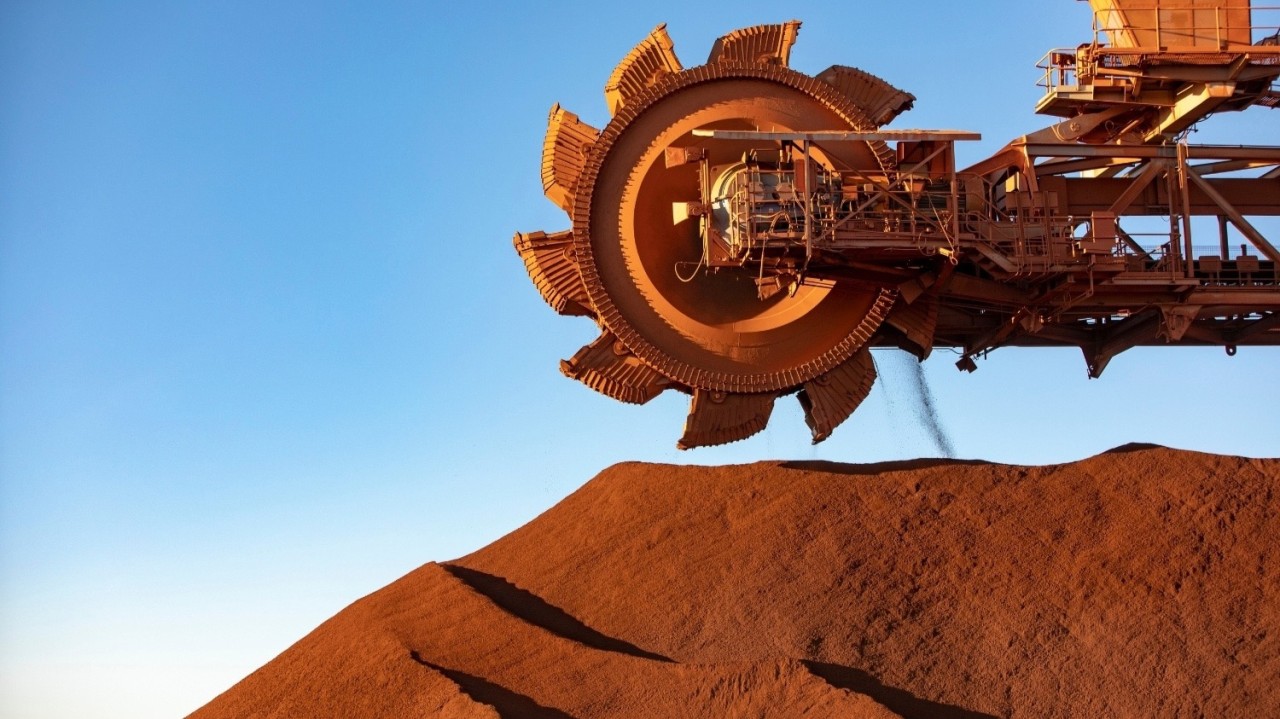
Mechanical pathway
“Mine-site fitter” covers far more than one job. Fixed plant, heavy mobile equipment, drills, hydraulics, conveyors, tyres, mill relining and reliability all demand different evidence. Start with the asset, the work and the trade boundary.
The core idea
Mining mechanical careers are shaped by the assets being maintained, how those assets fail and where the work is performed. A rebuild fitter may develop deep component knowledge. A rostered plant fitter learns equipment history. A shutdown fitter works through a concentrated scope. A field technician brings product depth across multiple sites.
A trade opens the pathway. Asset knowledge, diagnostic judgement and verifiable work make the career.
Where the work sits
The boundaries overlap. A mine may use owner teams, maintenance contractors, OEM technicians and specialist vendors on the same asset.
Haul trucks, excavators, loaders, drills, dozers, graders, water carts and support equipment maintained in workshops or the field.
Crushers, screens, mills, pumps, thickeners, valves, feeders, gearboxes and rotating equipment across the process circuit.
Conveyors, transfer stations, train unloaders, stackers, reclaimers and shiploaders from mine stockyard to export wharf.
Controlled strip, inspection, machining, assembly, testing and component rebuild work for mobile and fixed-plant assets.
Underground fleets, pumps, ventilation, crushing, conveying, workshops and services maintained within mine-specific controls.
Dewatering, water treatment, compressed air, fuel systems, workshops, camps and non-process plant supporting the operation.
Role guide
This is a practical map of the major options, not a claim that job titles are standardised. Read the actual assets, trade, work scope and competence requirements behind every title.
Mine operators, contractors, workshops and OEM service businesses
Indicative 2026 Australian mining band$55k–$95kAUD annual gross, generally before superProcessing plants, crushing, conveying, stockyards and ports
Indicative 2026 Australian mining band$125k–$175kAUD annual gross, generally before superConcentrated outage work fronts on fixed plant and infrastructure
Indicative 2026 Australian mining band$135k–$195kAnnualised from project and shutdown marketOpen pits, workshops, field service and equipment rebuilds
Indicative 2026 Australian mining band$140k–$210kAUD annual gross, generally before superOpen-cut drill fleets, underground production and field support
Indicative 2026 Australian mining band$150k–$220kAUD annual gross, generally before superUnderground mobile fleets, fixed infrastructure and workshops
Indicative 2026 Australian mining band$150k–$220kAUD annual gross, generally before superMultiple sites, dealer networks, commissioning and specialist support
Indicative 2026 Australian mining band$135k–$200kAUD annual gross, generally before superMine workshops, off-site rebuild centres and component shops
Indicative 2026 Australian mining band$105k–$155kAUD annual gross, generally before superMobile plant, fixed plant, workshops and specialist service teams
Indicative 2026 Australian mining band$120k–$175kAUD annual gross, generally before superProcessing plants, dewatering, water services and specialist workshops
Indicative 2026 Australian mining band$120k–$175kAUD annual gross, generally before superMine, process plant, stockyard, rail load-out and port conveyors
Indicative 2026 Australian mining band$120k–$180kAUD annual gross, generally before superMobile and fixed plant lubrication programs
Indicative 2026 Australian mining band$95k–$145kAUD annual gross, generally before superReliability teams supporting fixed and mobile assets
Indicative 2026 Australian mining band$115k–$170kAUD annual gross, generally before superOpen-pit fleets, tyre bays, workshops and field response
Indicative 2026 Australian mining band$110k–$165kAUD annual gross, generally before superGrinding-mill shutdowns at mineral processing operations
Indicative 2026 Australian mining band$115k–$180kAnnualised; campaign utilisation variesTypes of work
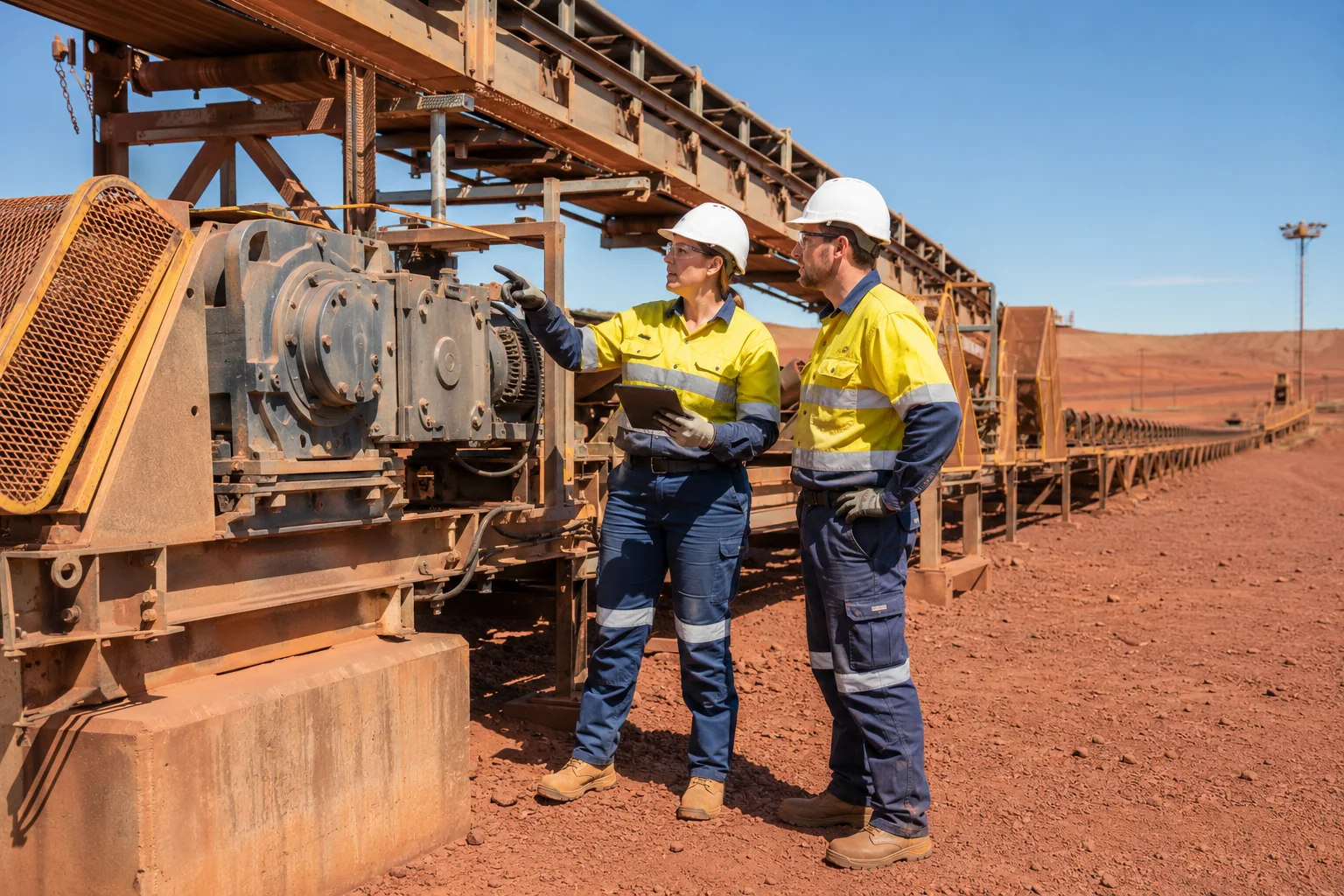
A continuing crew balances inspections, planned work, defects, breakdowns and equipment history over repeated cycles.
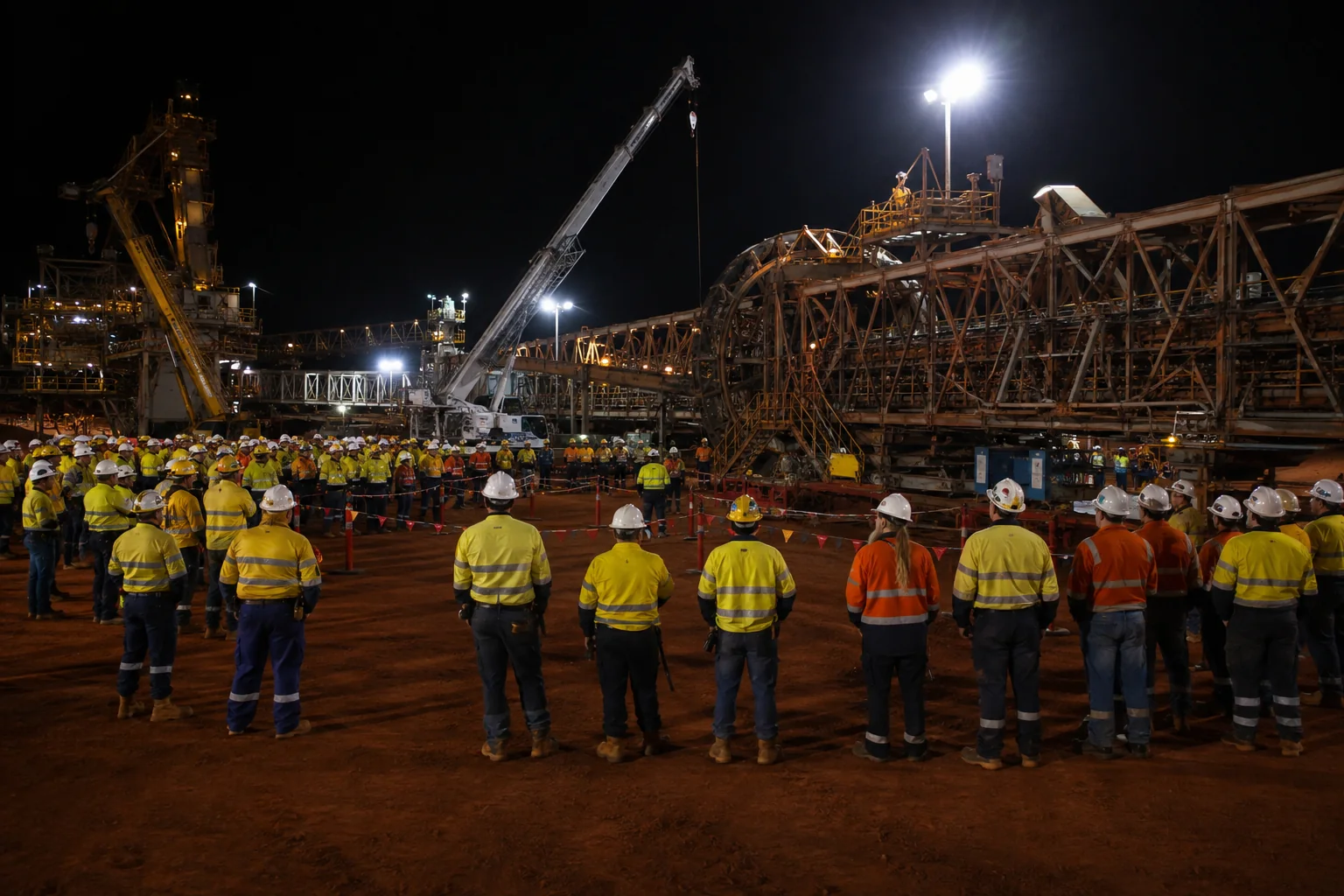
A larger campaign workforce completes concentrated work while plant access and handback times are tightly controlled.
Teams install or modify plant, complete quality records and support verification before operations accepts the asset.
Controlled strip, measurement, repair, assembly and testing create deep component knowledge away from the operating plant.
Technicians move between sites or equipment, combining product knowledge, diagnostics, reporting and customer communication.
Specialists use condition and failure information to improve maintenance timing, tactics and repeat-defect control.
Images are original conceptual editorial visuals created for The FIFO Hub. They do not depict a named mine, employer or site procedure.
Qualifications and authority
Requirements vary by state, mine, employer, asset and task. Verify the current qualification, vacancy and regulator before paying for training.
Certificate III in Engineering – Mechanical Trade is a current national trade qualification with fitting, machining and fitting/machining specialisations.
Certificate III in Engineering – Fixed and Mobile Plant Mechanic covers trade work on mobile and stationary plant, including servicing, diagnosis and preventive maintenance.
Certificate III in Mobile Plant Technology reflects broad service and repair work on mobile plant machinery. Employers decide which trade pathways fit their fleet and role.
Belt splicing, tyre servicing, mill relining, fluid power and condition monitoring have distinct qualifications, units or certification pathways. One is not a blanket substitute for another.
Dogging, rigging, forklifts, certain cranes and boom-type EWPs at or above the regulated threshold require the relevant licence. A fitter trade does not automatically include them.
Inductions, VOCs, appointments and equipment authorisations sit on top of qualifications. Requirements vary by state, mine, employer, task and risk profile.
A fixed-plant fitter, mobile plant mechanic, belt splicer, tyre fitter and mill reliner can all work on a mine’s mechanical systems while holding different qualifications and authority. Site induction does not erase those boundaries.
Career map
A strong tradesperson does not need to become a supervisor. Technical depth, work management, product support and engineering are equally credible branches.
Build supervised practical evidence through a training contract, workshop, contractor, OEM or site-based pathway.
Become dependable on a defined asset class, complete quality work and close out defects and records clearly.
Develop stronger diagnosis, measurement, failure awareness and equipment history across repeated maintenance cycles.
Move into hydraulics, condition monitoring, reliability, product support, planning, leading hand or another defensible stream.
Take broader accountability for people, work management, technical governance, plant strategy, projects or operational performance.
Depth comes from repeatable diagnosis, accurate measurement, clear limits and feedback that improves the next maintenance decision.
The focus expands from completing a task to making work executable, sequencing interfaces and returning useful information to the system.
Progression adds people, risk, quality, technical governance, asset strategy, production interfaces and organisational accountability.
Beyond trade delivery
These roles build on evidence of judgement, planning and communication. Time served or a job title alone does not establish competence.
Coordinates the work front: task allocation, scope clarity, constraints, tooling, quality checks, apprentice support and communication with the supervisor.
Oversees mechanical work, labour, safety, schedule, quality and cross-discipline interfaces. The company title and any statutory appointment are separate matters.
A Schedule 26 appointment can cover a processing plant, workshop or another nominated place. Current eligibility includes relevant experience, approved WHS risk training and a legislation examination.
Turns defects and strategies into executable work: scope, labour, duration, parts, tooling, access, drawings, dependencies and feedback into the work-management system.
Uses condition, defect and failure information to improve tactics, investigate repeat problems and support risk-based maintenance decisions.
Supports design, technical assurance, plant changes, studies, projects and maintenance strategy within professional competence and organisational governance.
Carries wider accountability for people, risk, budget, contractors, work management and performance across multiple crews or asset areas.
Builds equipment capability through troubleshooting support, procedures, coaching, practical assessment and consistent technical expectations.
WA distinction: A business may use “mechanical supervisor” as a position title. WA mining law separately requires statutory supervisors for nominated areas such as processing plants and workshops. Confirm whether a role carries that written appointment and its current eligibility requirements.
The evidence test
Employers need more than a trade certificate and a list of sites. Show the environment, asset, fault or scope, what you personally did, the result and who observed the work.
“Maintained heavy mining equipment and fixed plant.”
More useful“On a rostered ore-handling crew, inspected an assigned conveyor drive, recorded abnormal bearing condition, supported the planned change within my trade scope, completed mechanical checks and returned the findings and follow-up work to the supervisor.”
Important boundaries
Mechanical trade competence and high-risk work licensing are separate. The task, licence class, lift plan, site system and assigned role must all line up.
They share mechanical principles, but the assets, fault patterns, work controls and evidence differ. Translate the overlap honestly and identify the gaps.
Training can start a pathway. Specialist credibility comes from supervised application, accurate analysis, clear limits and verified outcomes.
Induction can support mobilisation. It does not replace the trade, role evidence, medical, licences, VOCs, equipment competence or a vacancy.
Breakdown response matters. Rostered roles also value inspections, planned work, defect follow-up, equipment history, reporting and repeat-failure control.
A good TA can build valuable exposure and references. Trade status comes through the recognised apprenticeship, qualification or formal recognition pathway.
Official sources
Source-checked 27 August 2026. Qualifications and requirements can change.
Current Certificate III in Engineering – Mechanical Trade and its fitting-related specialisations.
Current Certificate III in Engineering – Fixed and Mobile Plant Mechanic.
Current Certificate III in Mobile Plant Technology.
Current Certificate III in Polymer Processing, including conveyor-belt replacement and splicing streams.
Current Certificate II in Automotive Tyre Servicing Technology.
Nationally accredited Course in Operate a Mill Reline Machine.
National overview of the work classes that require high-risk work licensing.
Current WA eligibility for statutory supervisors and other Schedule 26 appointments.
National occupation profile for the core fitting trade pathway.
National occupation overview for diesel engine and heavy-vehicle mechanical work.
National occupation overview covering mechanical systems, operation, maintenance and installation.
Independent career guidance: The FIFO Hub is not a mine operator, regulator or registered training organisation. Confirm qualifications, licences, appointments, inductions, VOCs and task requirements with the relevant authority and employer.